
Celebrating African Nova Scotian Educators
A Nova Scotia Women’s History Society Public History Project
The Society is celebrating the success of a public history installation in Truro to honour four trailblazing African Nova Scotian women educators and Vera Clyke, the long-serving organist of the Zion United Baptist Church. Despite a rainy and windy day with a nor’easter blowing in on May 23, 100 people came to witness and participate in the official ceremony to inaugurate the portraits, where they now are displayed at Reparations Park at the corner of Robie and Ford Streets in the traditional black area of “the Marsh.”
The installation makes the unknown legacy of these women, who fought for a more equitable education system, known and serves as a testament to the contribution of the African Nova Scotian people to the province’s history.
Watch the The Black Culture Centre for Nova Scotia’s live broadcast of “Truro’s Trail-blazing African Nova Scotian Women Teachers Commemoration.”
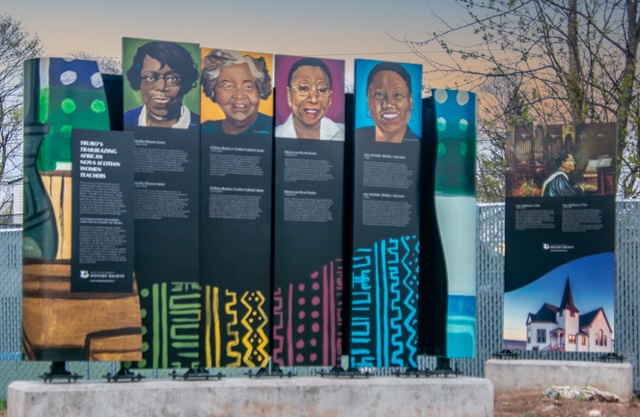
Photo credit: Wayne Talbot
Read this excellent article of the Truro celebration by Suzanne Rent in The Examiner.
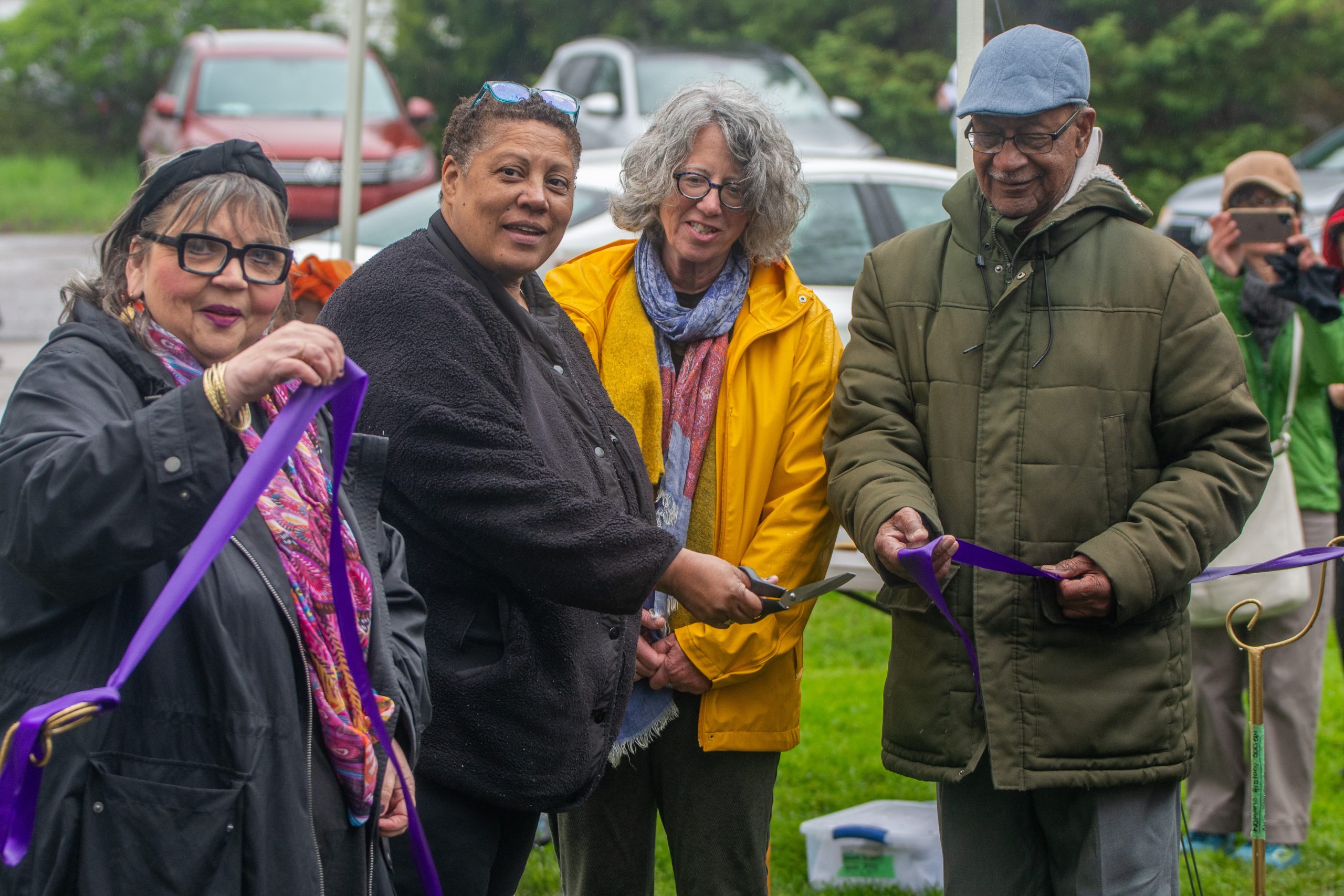
The ribbon is cut (from left to right) Truro Mayor Cathy Hinton, Shelley MacLean (the only living woman of the four honoured), Society chair Anne Marie Lane Jonah and Elder Shawn Munro.
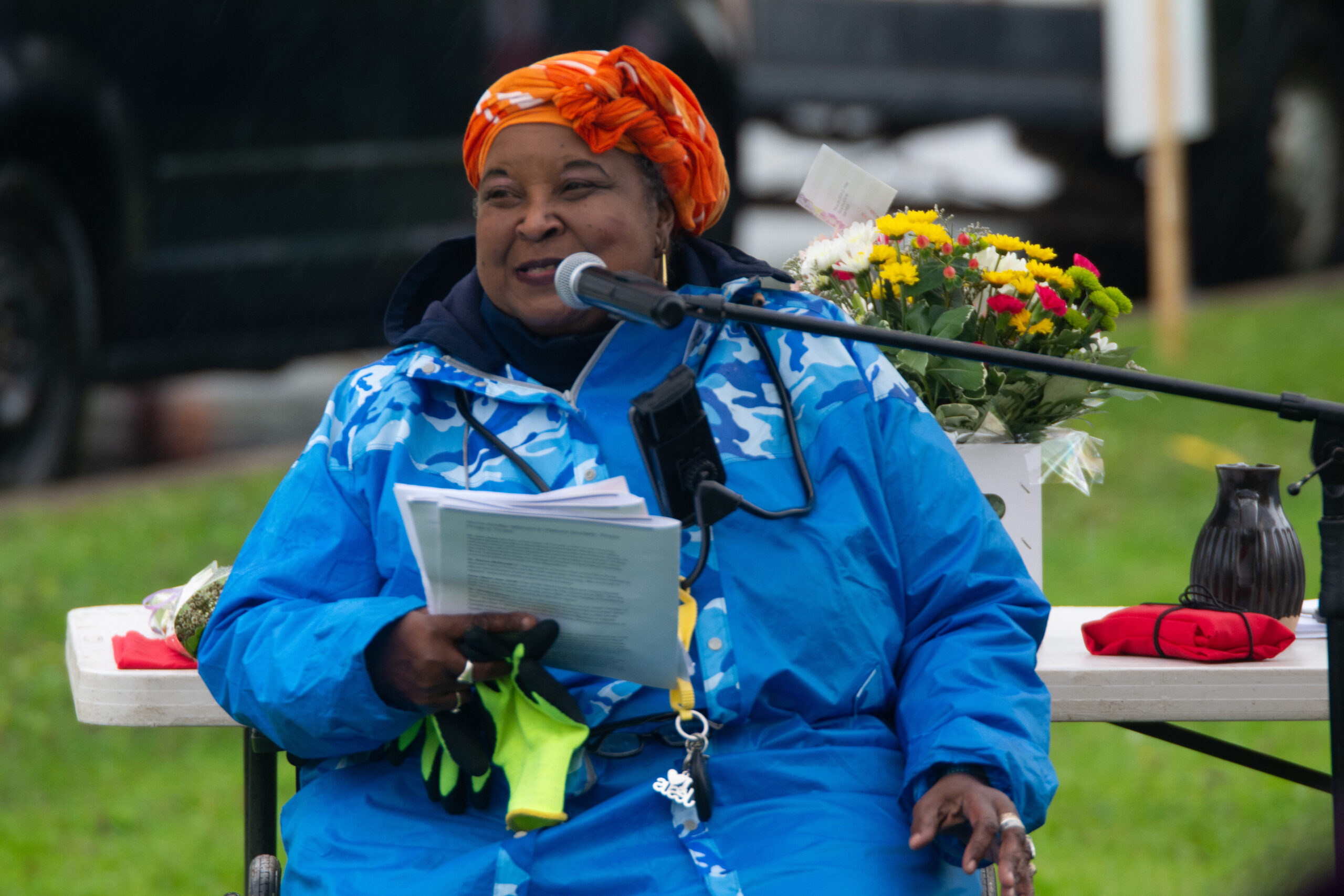
Dr. Lynn Jones, Order of Canada and long-time activist, and Sharon MacDonald, chief research for the project, had the idea for the portraits and helped bring them to life in the installation. Both women are members of the Nova Scotia Women’s History Society.
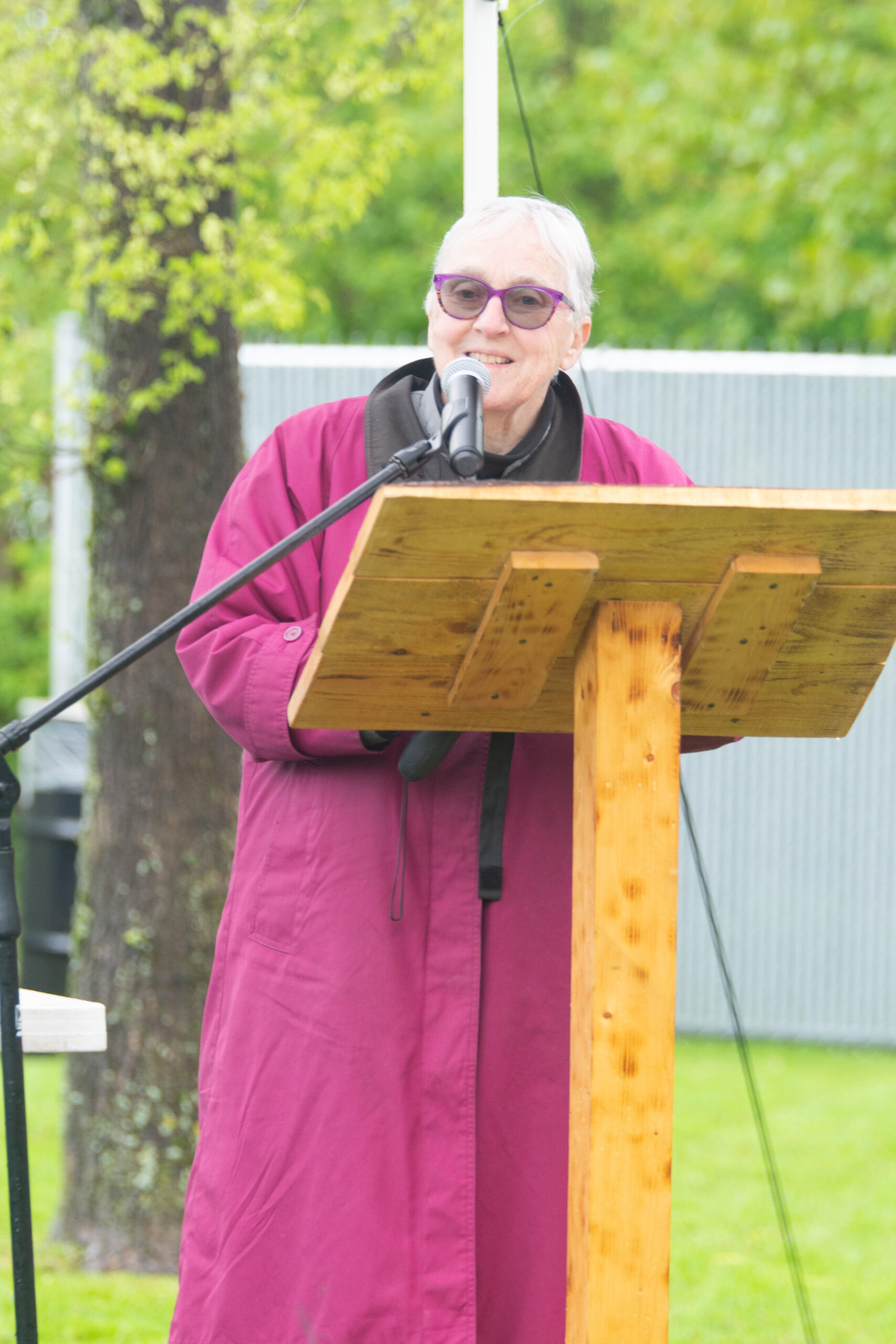
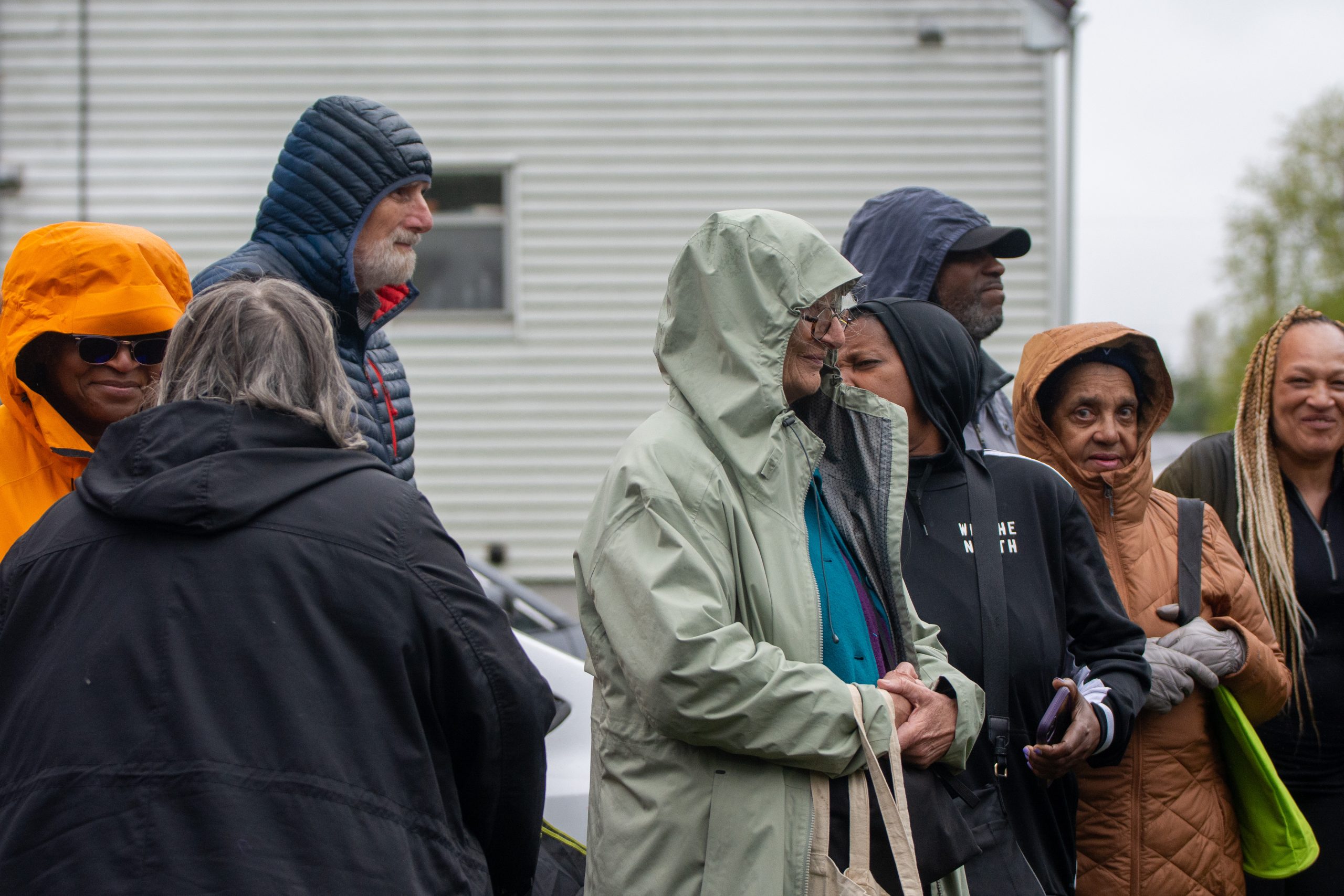
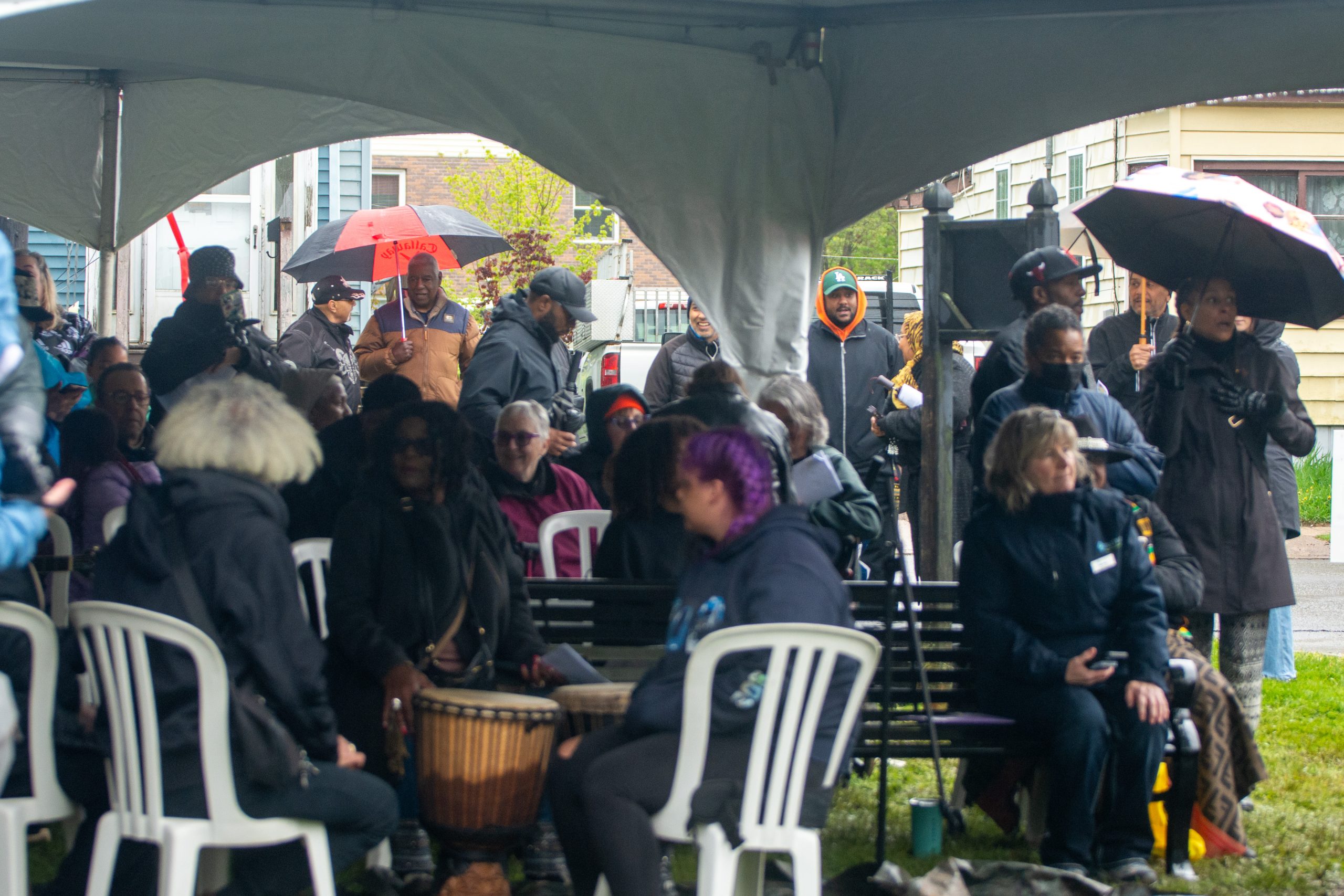
Despite the rainy weather, 100 people gathered on the site to participate in the ceremony.
Children laid flowers under the portrait of their ancestor.
All the children are descendants of the women educators and Vera Clyke.
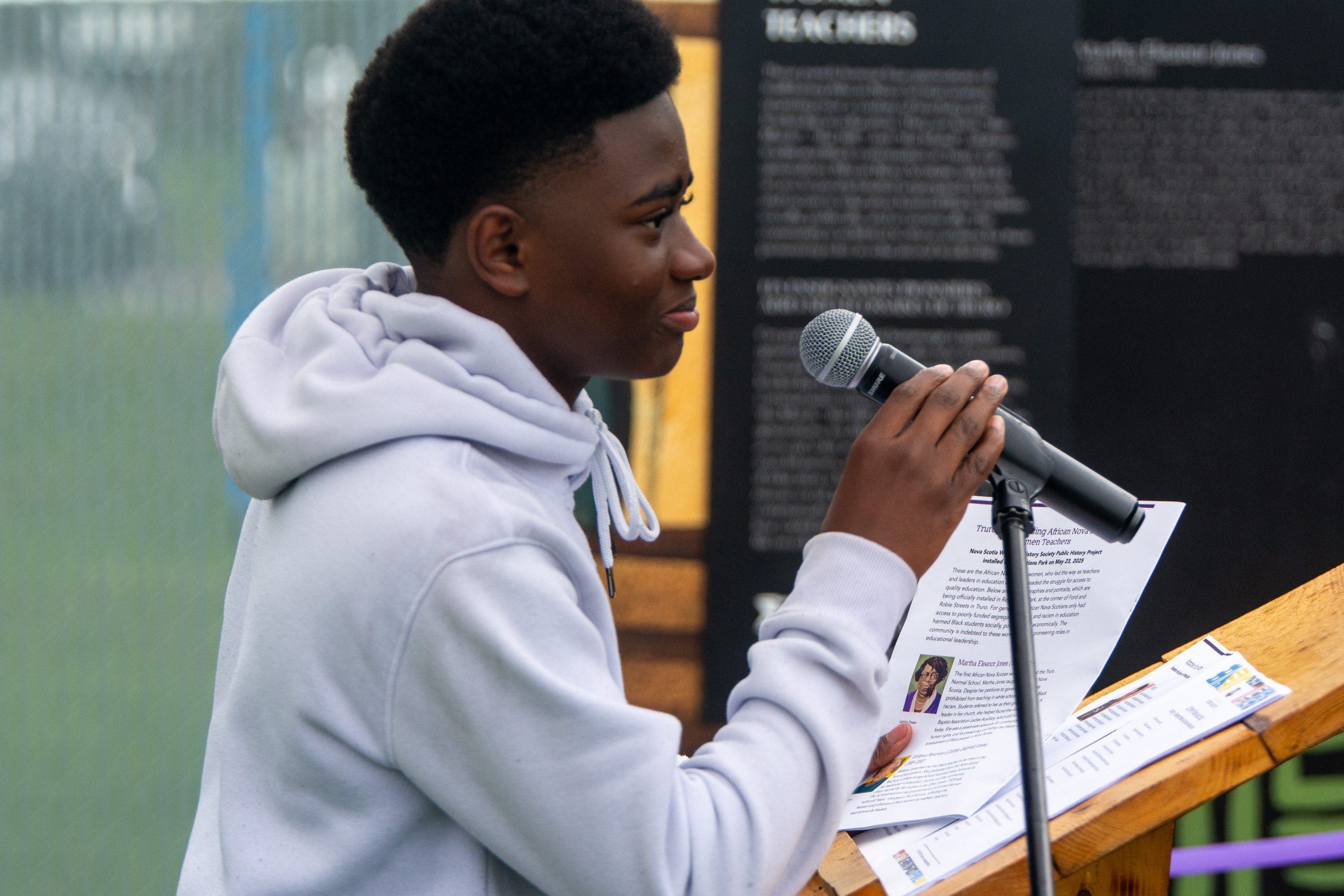
Neron Foster
Neron is a 15-year-old student in Grade 9 at Cobequid Education Centre. He has a passion for sports and takes pride in dressing well for church on Sundays. Born in Jamaica, Neron moved to Canada with his parents at the age of four. He understands the importance of being an active member of the African Nova Scotian community and participates in the Imhotep’s Legacy Academy program. Neron appreciates the sacrifices made by those who came before him and is proud to contribute as a young immigrant in Canada.
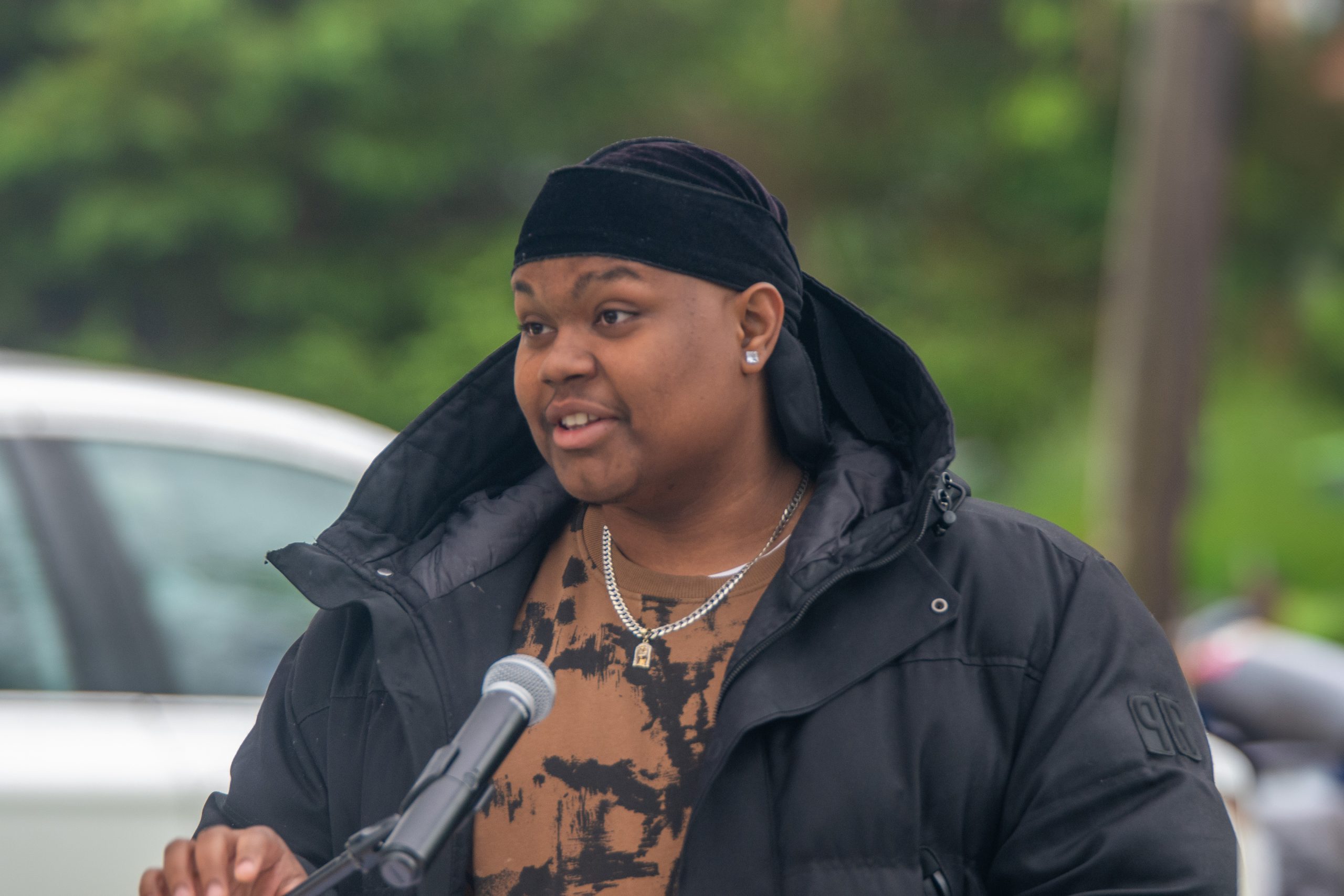
Elijah Morton-Ross
Elijah Morton-Ross is the great-great nephew of Willena Jones. Elijah has a beautiful soul and is a loving friend, amazing big brother, and an inspiration in his community. He was a recipient of the Halifax Community Investment Fund Award in 2024 for serving his community with compassion and leadership. He volunteers as a junior youth leader for Saint George’s YouthNet, and for the Africville Reunion annually. He currently is attending a program once a week at Hope Blooms, and he is learning about producing and song writing. He likes Hip-hop. 🙂
Elijah traveled to Italy in April of this year for his senior school trip and has plans to attend the music program at Nova Scotia Community College next fall.
Elijah is an advocate for the Autism community who spreads love and kindness everywhere he goes. He works at Sobeys; you can find him on days off spending time with his family and friends or going to the gym to work out.
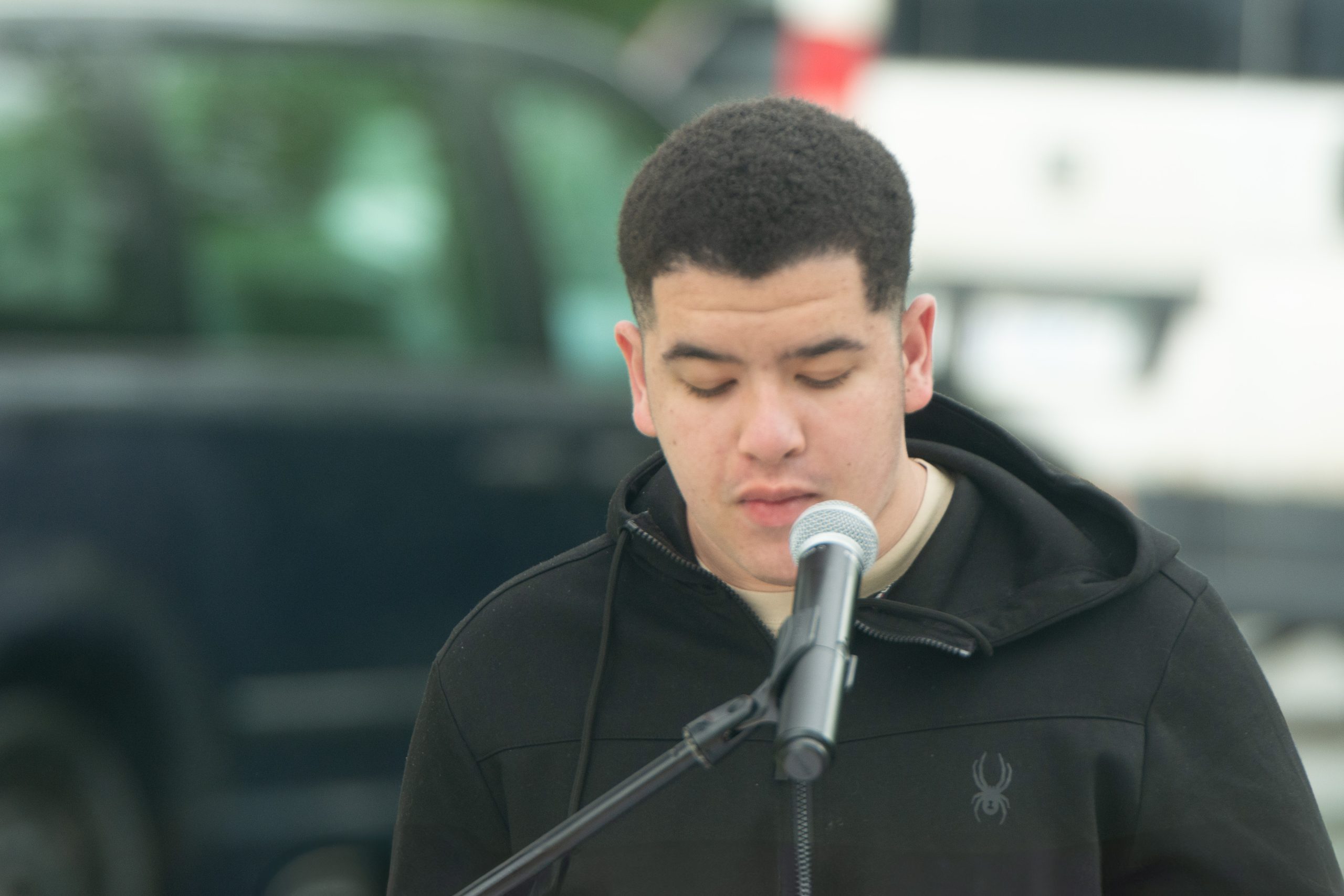
Brian Byard
Brian Byard Brian is in Grade 10 student at Cobequid Educational Centre in Truro, NS. He is the great nephew of Shelley MacLean. Brian is the oldest of two brothers. With his family, his interests are geological time frames, video editing and the film industry. Brian has autism. He was recently invited by YouTube to monetize his page and enjoys interacting with his subscribers. Brian hardly ever misses attending church at Zion United Baptist in Truro.
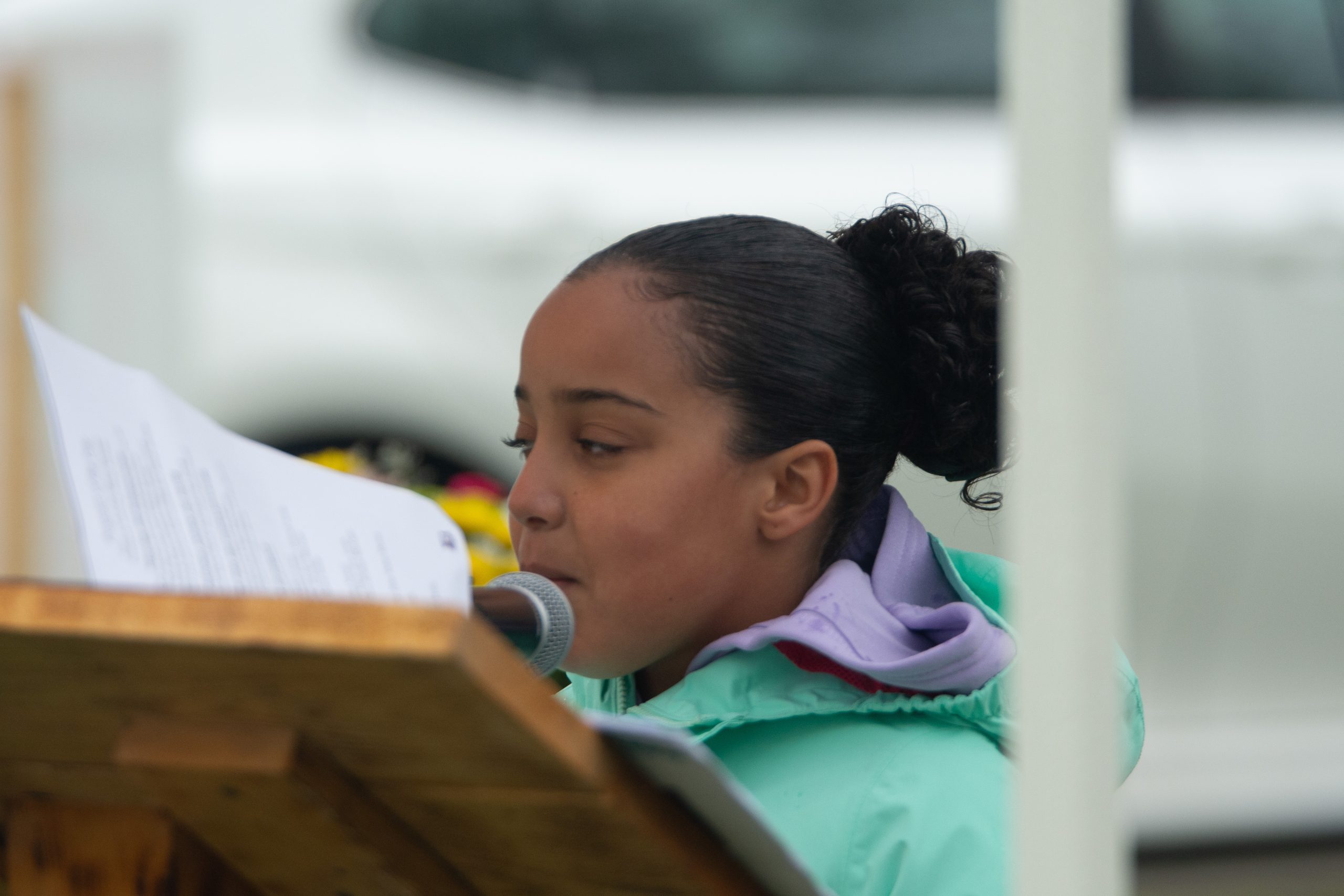
Jayda Ford-King
Jayda is in Grade 4 and is 10 years old as of yesterday (May 22). She is the great, great, great niece of Vera Clyke. She is enrolled at École acadienne de Truro. She is attempting to master her skills in jujitsu and looks forward to hopefully competing against other talented opponents in the future. Jayda also has a passion for video games and music. She loves to sing and learn how to play the guitar.
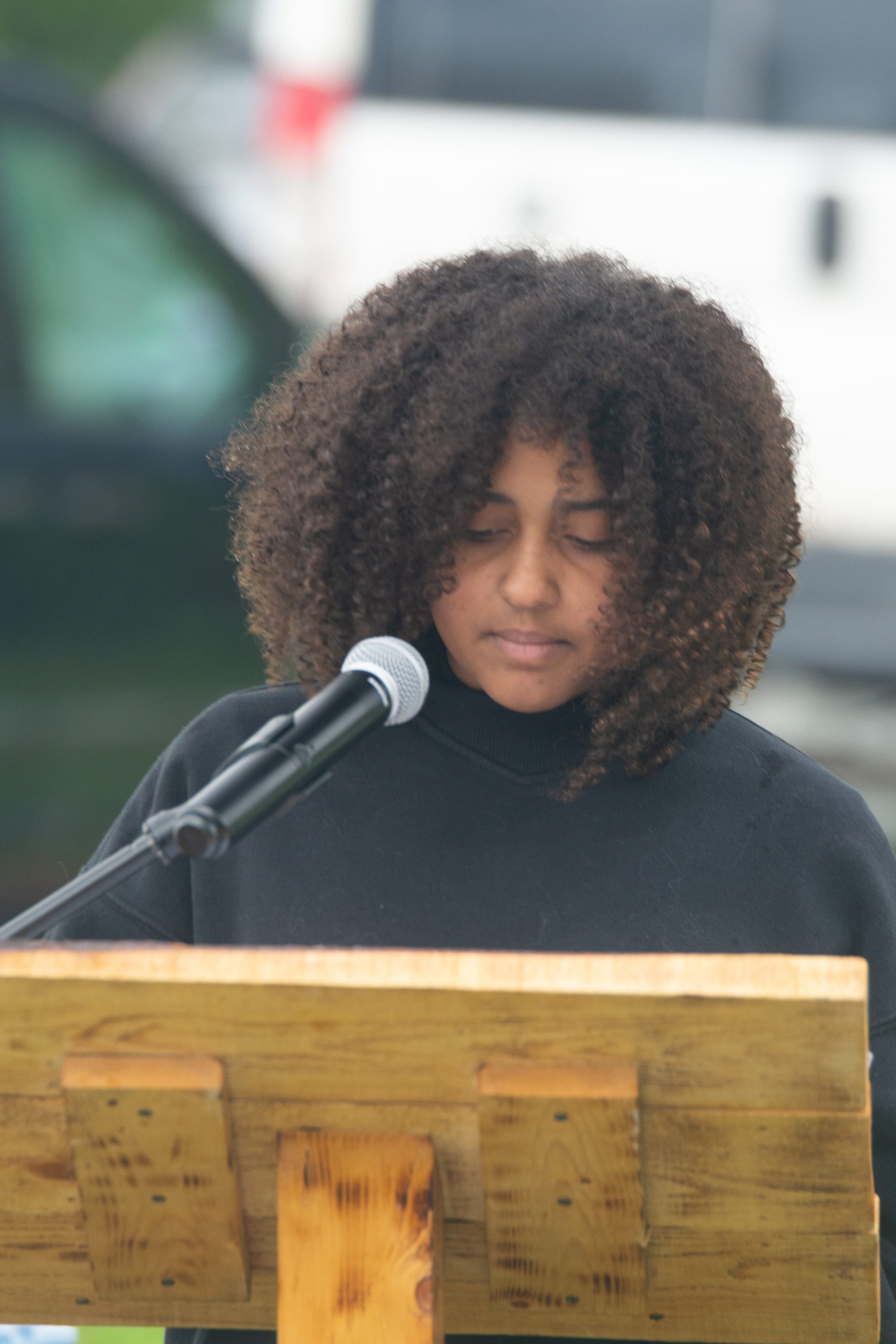
Aria Sealey
Aria Sealey is Donna Byard Sealey’s youngest granddaughter. Aria is a Grade 5 student at Colby Elementary school. She is a very talented and athletic 11-year-old, as Aria competes in competitive swimming with the Dartmouth Crusaders swim team. Aria has big aspirations for her future. She wants to become a Marine Biologist when gets older.
Biographies and Portraits
Martha Eleanor Jones (1860-1918)
The first African Nova Scotian woman to attend the Truro Normal School, Martha Jones taught throughout Nova Scotia. Despite her petitions to government, she was prohibited from teaching in white schools due to anti-Black racism. Students referred to her as their greatest teacher. A leader in her church, she helped found the African United Baptist Association Ladies Auxiliary, which still functions today. She was a passionate advocate for community, human rights, and for preserving and telling the history of enslavement of Black people in Nova Scotia.
Painting by Letitia Fraser
Willena Beatrice (Corbin Gabriel) Jones (1915-2010)
Willena Jones was the first Black teacher to be hired in the Truro school system. She graduated from the Nova Scotia Teachers’ College at age 60 and received many honours for her leadership in education, church, and the community. Likely inspired by her mother-in-law Ethel Jones’ 1929 talk “The Achievement and Accomplishments of Colored Women within 65 Years,” she gave a life of service, reflecting the heroism and influence of Black women as mothers, teachers, and community leaders.
Painting by Letitia Fraser
Donna Lee Byard Sealey (1940-2015)
Upon graduating from Nova Scotia Normal College and Dalhousie University (B.A., B.Ed. and M.A.) Donna Byard Sealey was the first Black person to be employed as a teacher in Dartmouth, Nova Scotia. She worked on behalf of Black students addressing the barriers they faced. Her research laid the foundation for the Transition Year Program at Dalhousie. Committed to social justice, she was a dedicated historian, and community and church volunteer. Her book, Colored Zion, celebrates the history of the Black community and church in Truro.
Painting by Letitia Fraser
Ann Michelle (Shelley) MacLean (1968- )
Michelle (Shelley) MacLean studied French at Université Sainte-Anne. She was the first African Nova Scotian French Immersion teacher to graduate from Nova Scotia Teachers College, and earn her Masters in Educational Leadership at St. Francis Xavier University. She also has the distinction of being the first person of African ancestry to become school principal in Truro. She later served as Coordinator of African Canadian Education & Services with the Chignecto Central Regional Centre for Education (CCRCE) before being promoted to the position of Director of Programs & Student Services with CCRCE, another first in executive leadership for a person of African Heritage.
Painting by Letitia Fraser
Vera (Halfkenny) Clyke 1908-1998
Born in Amherst to a renowned African Nova Scotian musical family, Vera and the family moved to Truro where she married Albert Sinclair (Jim) Clyke, cousin of famed singer Portia White. Following in the footsteps of her mother, Sarah (Byard) Halfkenny, Vera, at the age of 19, began playing the organ at Truro’s Zion United Baptist Church, a position she held for 71 years. She was the longest serving organist in the history of the African United Baptist Association (AUBA). Her loving ministry of music and enduring service in various capacities touched many lives. In her own words, she said, “God has been good to me” and we, in turn, honour her goodness in our community.
Painting by Bruce Wood
About the Artist
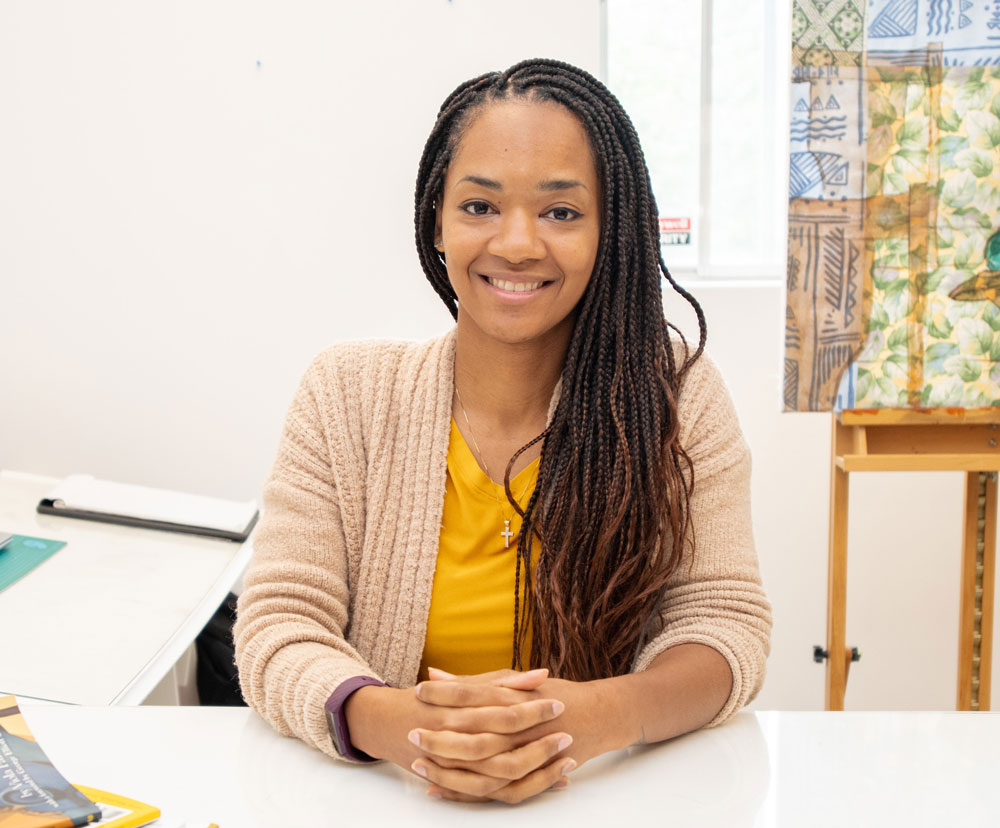
Photo by Ryan Williams
Letitia Fraser is an interdisciplinary artist, whose work centres around her experience as an African Nova Scotian woman, growing up in the province’s Black communities of North Preston and Beechville. Descending from a long line of artists, her creative instincts were nurtured early in life. Through a combination of painting and textiles, she unearths previously untold narratives and pays homage to her community’s history of quilting.
Recent exhibitions include Family Patterns with Darcie Bernhardt at the Art Gallery of Nova Scotia (2022), Every Chain at the Chester Art Gallery, Halifax (2022), Letitia Fraser at Mount St. Vincent Art Gallery, Nova Scotia (2019) and Mommy’s Patches: Traditions & Superstitions at the Anna Leonowens Gallery, Nova Scotia (2019). She graduated with a BFA from NSCAD University in 2019. She is the recipient of numerous awards including the 2018 Nova Scotia Talent Trust RBC Emerging Artist Award and was recently longlisted for the 2022 Sobey Art Award. Her work is included in several private and public collections including the Art Gallery of Nova Scotia, Scotiabank, the Canada Council and the Wedge Collection.
FAQ
Frequently Asked Questions about the Reparations Park Monument and the History of Black Education in Nova Scotia
In May 2025, the Nova Scotia Women’s History Society was proud to unveil a new monument, celebrating the accomplishments of Black female educators from Truro, NS. The monument features five paintings: Letitia Frasers’ portraits of school teachers Martha Eleanor Jones, Willena Beatrice (Corbin Gabriel) Jones, Donna Lee Byard Sealey, and Ann Michelle (Shelley) MacLean, as well as Bruce Wood’s portrait of the long-standing organist of Truro’s Zion United Baptist Church Vera (Halfkenney) Clyke. Their portraits and biographies can be found above.
Below, we have answered some of the most frequently asked questions sparked by the monument. Prepared by Saige Ranson, 2026
Was Education in Truro Segregated?
Yes. Black education in Truro, much like the rest of Canada, experienced formal and informal forms of race-based segregation.
Throughout Nova Scotia there were twenty-three segregated schools, some remaining open until 1990. Although Truro did not specifically have segregated schools, there were codes of segregation within them. For example, bathrooms and classrooms remained separate for black students and white students. Furthermore, within the classrooms and educational systems, positions of authority held strong racial-hierarchies creating additional boundaries for African Nova Scotian students as well as African Nova Scotian educators. The first African Nova Scotian female educators had to overcome both sexist and racist barriers within the education system as well as in their daily lives.
In addition to experiencing segregation in their schools, the Black community faced other struggles that prevented them from receiving an equal and fair education. In Truro, the Black communities were pushed to the peripheries, limiting their ability to access many resources, including education. Therefore, commuting to and from school was often difficult for many Black students.This created notable disadvantages for black students. For example, because most schools had students leave for lunch rather than supplying a cafeteria, many African Nova Scotian students struggled to make it home, have a satisfying lunch, and then return back to school.
Whose stories have been left out of the history of education in Nova Scotia?
The history of education in Nova Scotia has, for the most part, overlooked Black female educators.
Colonial ideologies and their hierarchical narratives have historically valued the stories of white, male settlers the most.These accounts are often easier to trace and research, but they leave the history incomplete. The narratives of marginalized peoples on the other hand are left under-researched, untold, and under-valued. The contributions of African Nova Scotian communities, especially Black women educators, are essential to understanding how equal education was achieved in the province. With this monument, we aim to celebrate the accomplishments of Black female educators, who fought through segregation and sexism to ensure all children had the same opportunities as every other Nova Scotian child.
Why is it important to commemorate African Nova Scotian female educators in Truro?
It is important to commemorate African Nova Scotian female educators because these women paved the way for equal and fair education for generations to come. We hope that this monument will serve as a call to action to history and heritage professionals to take the time to research the role African Nova Scotians played in transforming the education system in Truro and beyond.
Many written histories of education in Nova Scotia and beyond have emphasized that change came as a consequence of policy makers. Meanwhile, African Nova Scotian women educators are often overlooked in this battle for equality in education. Little formal research has been conducted on the topic of Black female educators in Truro (some of these sources are cited below). So, to those not familiar with the community, the impact of these women remains unconsidered. To remember and commemorate them is to remind Nova Scotians that equality needed to be fought for. By writing this history and commemorating their efforts, the NSWHS hopes to both honour them as community-activists and draw attention to the efforts they made to improve the education of Black students in Truro and maintain their heritage and culture.
What did African Nova Scotian female educators contribute to Truro and beyond?
Black women educators in Truro shaped both their local community and the broader landscape of Canadian education. They advocated for equitable schooling, challenged discriminatory practices, and created opportunities for Black students.
Many were active in the Women’s Institution, founded in Halifax in 1956, which established scholarships such as the Centennial Essay Contest (1967) and the Gertrude E. Smith Scholarship (1981). The group also organized province‑wide workshops addressing issues ranging from peer pressure to reproductive rights. They consistently demonstrated their commitment to holistic education and community well‑being.
In a broader sense, Black female educators helped break systemic barriers that held back African Nova Scotians. They persevered through segregation and sexism within the educational systems and advocated for better education for African Nova Scotians. In doing so, they have become role models for the generations of Black Canadian students.
What is the Zion United Baptist Church? Why is it important to the history of Black education in Truro?
In Truro, church and education are deeply intertwined. Through their church, African Nova Scotian women were able to hold positions of authority and advocate for the rights of their community.
Zion United Baptist Church was opened in 1896 and is the spiritual home to a community whose roots in Truro extend back to the late nineteenth century. In 1782, an African-American Baptist named David George came to Nova Scotia with his wife and children. They established churches in rural black communities outside the town limits. The African Baptist churches created a sense of community, were used as the initial form of schooling for many African Nova Scotian children, and would become the birthplace of many African Nova Scotian educators, such as Portia White.
Church records are important documents when reconstructing the work and advocacy of African Nova Scotian women. Meeting minutes show that women were eager and able to take on leadership roles. African Nova Scotian women from the African Baptist Church were among the first to advocate for Black children’s education. Women of the church initiated protests for the rights of the Black community in Truro. They formed and joined women’s advocacy groups, like the Women’s Institution, and held positions of power within it. Educators from the committee have served as guest speakers, presidents, and guides for future members. Through these groups, they fought to raise money and awareness for several educational establishments. Although it is difficult to find every individual educator’s name, as it was not always documented or kept, their efforts do not go unnoticed.
Where can readers find other sources relating to Black Female Educators in Truro? Where can readers support?
Although sources are limited on the subject, we have provided a bibliography of essential sources below. In addition to these, we want to highlight Sylvia Hamilton’s documentaries, titled “The Little Black School House” and “Black Mother Black Daughter”. Both films provide historical knowledge on segregation in schools as well as the experience of Black Female Canadians in Nova Scotia.
The Nova Scotia Women’s History Society has constructed a beautiful monument, featuring biographies and portraits of Black female educators from Truro. This monument can be found at the Reparations Park at the corner of Robie and Ford Street in Truro, Nova Scotia.
What does the name “Reparations Park” mean and why is it important?
The name “Reparations Park” speaks to the repair that this park and the installations honouring the struggles and accomplishments of Black women educators represent. “Reparations” in this sense are acts that help to mend the damage done by centuries of the slave trade and by anti-Black racism that persisted after the abolition of slavery and endures today. Reparation work is often slow and brings up painful memories for those involved. However, the NSHWS acknowledges the immense importance of this work and remains committed to conducting it.